
Tailbone (Coccyx) Pain: Coccydynia Relief at Home
Pain at the very base of the spine often improves within a few weeks. Taking pressure off the tailbone is the key.
What helps tailbone pain?
Use a coccyx cushion with a cut-out at the back, sit with your lower back supported, lean forward slightly when sitting, and avoid sitting for long periods. A wrapped ice pack or a heat pack can ease the pain. Tailbone pain often improves within a few weeks, but it can last longer.
How do you ease tailbone pain when sitting?
Tailbone pain (coccydynia) is usually worst when you sit down, sit on hard seats, or stand up from sitting. Taking pressure off the tailbone is the quickest relief: lean slightly forward when you sit and use a wedge or U-shaped cushion with a cut-out at the back.
- Lean forward a little when sitting, so your weight rests on your thighs rather than the tailbone.
- Use a cushion with a cut-out at the back, especially in the car and at work.
- Ice or heat for 15 minutes, several times a day.
- Stand up slowly, shifting forward first, and take standing breaks often.
The Pain-Free Body Protocol
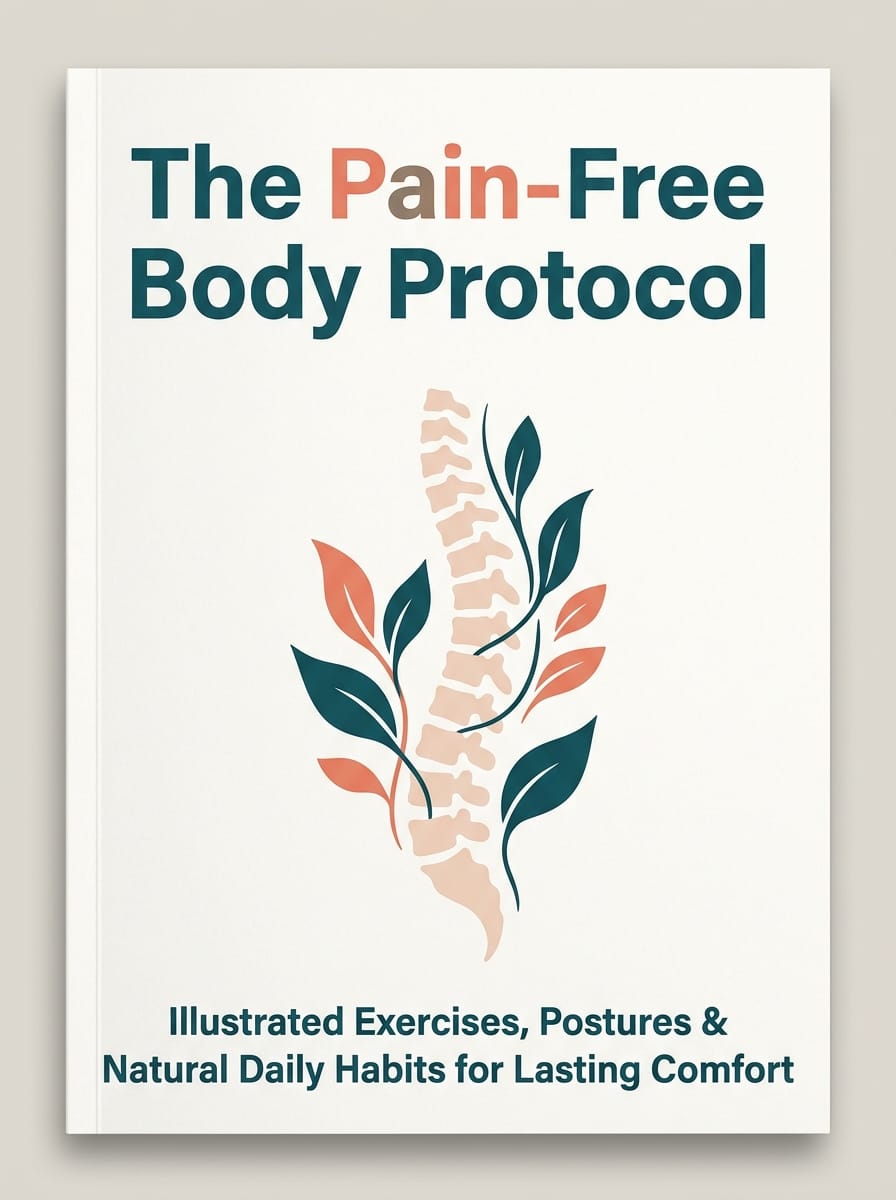
Want a simple routine you can follow every day? This illustrated guide shows gentle exercises, comfortable sleeping positions and simple daily habits for everyday aches and stiffness, in plain language.
Large print · step-by-step illustrations · 10–15 minutes a day
Get the Pain-Free Body ProtocolE-book · US $17.99 · instant download
What are the best exercises for tailbone pain?
Gentle, regular movement helps most. Good options include pelvic tilts, knee-to-chest, pelvic floor squeezes, and short walks. Go slowly and stop any move that makes the pain sharper.
Gentle movement and less sitting help most. Try:
- Pelvic tilts: lying on your back with knees bent, gently flatten your lower back into the floor, hold 5 seconds. 10 times.
- Knee-to-chest: gently hug one knee toward your chest for 10 seconds, then switch.
- Pelvic floor squeezes: gently tighten the muscles you'd use to stop peeing, hold 5 seconds, relax. 10 times.
- Short walks: break up sitting with a few minutes of walking every half hour.
Move slowly, within a comfortable range, and stop if the pain gets sharper.
How should you sit and sleep with tailbone pain?
- Use a coccyx cushion (U-shaped or wedge with a cut-out at the back).
- Sit upright with your lower back supported, and lean slightly forward.
- Lie on your side to take pressure off your tailbone.
- Use an ice pack wrapped in a towel for 20–30 minutes, or a heat pack.
We may earn a commission if you buy through the product links below, at no extra cost to you.
Balmorex Pro Joint & Muscle Cream
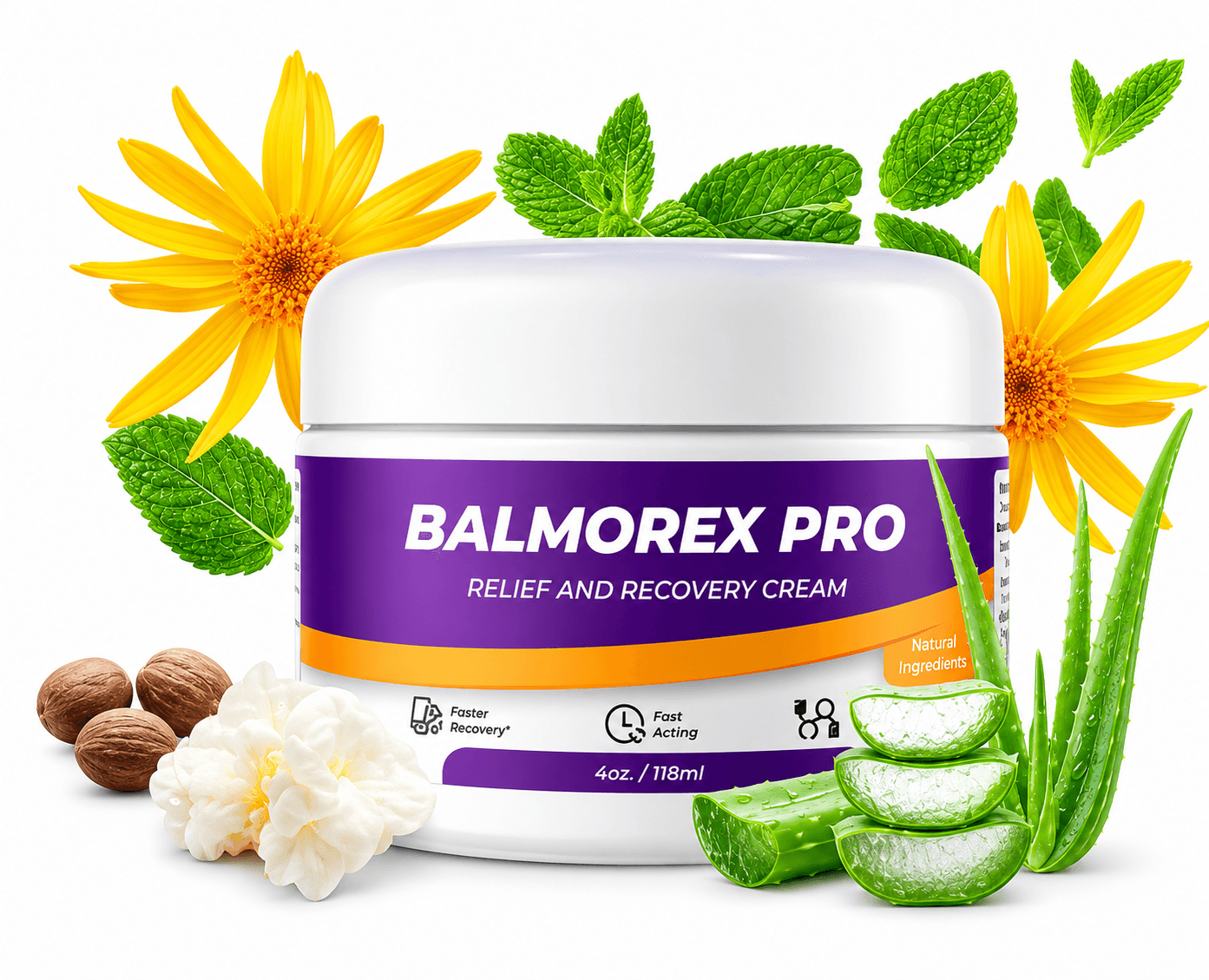
Massaged into the lower back and buttock muscles around the tailbone, a soothing cream can make them feel more comfortable. According to its maker, Balmorex Pro combines 27 ingredients in a non-greasy base.
Key ingredients listed by the maker: Arnica, MSM, Ginger Root and Boswellia
Check Balmorex Pro PriceArctic Blast Cooling Liquid
A few drops on the skin of the lower back give a strong cooling feeling for quick, temporary comfort after sitting. Its labeled active ingredients, menthol and camphor, are commonly used for the temporary relief of minor muscle and joint aches.
Labeled active ingredients: Menthol and Camphor (plus DMSO and Aloe Vera)
Check Arctic Blast PriceHow do you use pain creams and cooling drops safely?
- Test on a small patch of skin first.
- Use only on unbroken skin and keep away from eyes and mouth.
- Don't combine with a heating pad or a tight bandage over the area.
- Pregnant, on blood thinners or have sensitive skin? Ask your pharmacist first.
- Topical products ease surface aches; they don't treat the cause. Stop if your skin turns red, itchy or sore.
Living With Tailbone Pain: What Nobody Tells You
If you've ever scanned a restaurant for the softest seat, or carried a cushion everywhere, you know tailbone pain makes ordinary sitting a planning exercise. It is also awkward to talk about, so many people put up with it quietly.
Why does tailbone pain leave you so drained and irritable?
Sitting is part of almost everything, from work to meals to driving. Pain that lasts keeps your nervous system on alert, sleep suffers, and worry can make the pain feel louder. The American Psychiatric Association describes this two-way link between long-lasting pain, sleep, stress and mood.
Your next step: two short breaks a day for slow breathing (in for 4, out for 6), and plan your day in small chunks with rests before the pain forces you to stop. If worry or low mood are taking over, see the support section below.
How do you sleep with tailbone pain?
On your side with your knees slightly bent and a pillow between them takes pressure off the tailbone. Sleeping on your back on a firm mattress can press on it (Cleveland Clinic).
Your next step: get out of bed by rolling to your side and pushing up with your arms.
Can you keep working with tailbone pain?
Usually yes, with a good cushion and regular breaks. Long sitting is the main problem.
Your next step: bring your cushion to work, alternate sitting and standing, and ask for a sit-stand desk under the Americans with Disabilities Act if needed.
What if your doctor says it's nothing?
Many people with tailbone pain feel brushed off, especially when scans look "normal". A short visit makes it hard to show what you live with every day, so coming prepared helps. The National Institute on Aging recommends writing your concerns down, most important first.
Your next step: keep a one-week diary (any fall or childbirth, how long you can sit, and whether standing up from sitting hurts most). Bring it and ask: "What do you think is causing this?", "What should I try if it isn't better in six weeks?" and "Would a physical therapist help?" A second opinion is always okay.
How do you explain tailbone pain to people who don't get it?
Tailbone pain is mostly invisible, so people may not see why you choose a different seat or leave a long event early. Feeling misunderstood is one of the hardest parts of living with pain.
Your next step: use one simple sentence, such as "My tailbone is bruised or inflamed, so I need a cushion and to stand up often", and then ask for one specific kind of help.
Why has nobody taught you how to manage tailbone pain?
Most people are never shown how to manage pain themselves: how to sit, which cushions help, and gentle stretches for the pelvic floor and hips. Yet these everyday skills are what help most over time, and talking therapies such as CBT are among the best-studied ways to cope with long-lasting pain (Harvard Health).
Your next step: start with the moves and habits on this page, and use The Pain-Free Body Protocol above if you want a step-by-step plan.
Support for the Stress, Worry and Poor Sleep That Come With Pain

Pain that lasts for weeks or months rarely stays in the body. It often brings stress, low mood, worry and broken sleep, and those can make the pain feel louder. That’s why the American College of Physicians lists cognitive behavioral therapy (CBT) among the first treatments to try for long-lasting back pain: it helps you change how you respond to pain, even while it’s still there.
Online-Therapy.com is a CBT-based online therapy service you use from home. You're matched with a qualified therapist and get weekly live sessions by video, voice or text, unlimited messaging, practical worksheets, plus yoga and meditation videos. You can change therapist or cancel anytime.
Get 20% off your first month with the code THERAPY20
Affiliate link: we may earn a commission, at no extra cost to you.
Common Questions About Tailbone Pain
What causes tailbone pain?
Common causes include a fall onto your bottom, sitting for a long time on hard surfaces, pregnancy and childbirth. Sometimes there's no clear cause.
What is the best cushion for tailbone pain?
A coccyx cushion with a cut-out at the back, so your tailbone doesn't touch the seat. U-shaped or wedge cushions both work.
When should I see a doctor?
See a doctor if tailbone pain hasn't improved after a few weeks of home treatment, is affecting your daily activities, or you have a high temperature with tailbone pain and pain elsewhere, such as your tummy or lower back.
Source: Cleveland Clinic: Tailbone pain (coccydynia)
What is coccydynia?
Coccydynia is the medical name for tailbone pain. It is often caused by a fall, childbirth or long sitting on hard surfaces, and is more common in women. Most cases improve within weeks to months with simple care (Cleveland Clinic).
How long does a bruised tailbone take to heal?
A bruised tailbone usually improves within a few weeks; a fracture can take 8 to 12 weeks. If pain lasts longer than two months, see a doctor.
What is the best cushion for tailbone pain?
A wedge or U-shaped cushion with a cut-out at the back, so the tailbone doesn't touch the seat. Donut cushions help some people but can press on the tailbone for others.
Free 7-day guide
The 7-Day Gentle Back Reset
One simple 15-minute step a day to ease lower back pain at home: gentle moves with pictures, a walking plan, calming breathing and a printable tracker.
Get the Free GuideRelated guides
Sources
- Coccydynia (Tailbone Pain). Cleveland Clinic.
- Best Sleeping Positions for Pain. Cleveland Clinic.
- Chronic Pain and Mental Health Often Interconnected. American Psychiatric Association.
- The pain-anxiety-depression connection. Harvard Health Publishing.
- How to Prepare for a Doctor's Appointment. National Institute on Aging.
- Reasonable Accommodation Under the ADA. U.S. Equal Employment Opportunity Commission.
Written by Silvio Paiva, Psychology Graduate (Universidade Lusíada do Porto) and PhD Candidate (Universidad de Santiago de Compostela) · Last updated November 2026 · About this site