
SI Joint Pain Relief and Treatment at Home
The sacroiliac (SI) joints link the base of your spine to your pelvis. When they're irritated you may feel pain low in the back, usually on one side.
What is SI joint pain (sacroiliac joint pain)?
SI joint pain is pain from the sacroiliac joints, where the spine meets the pelvis. It's usually felt low in the back on one side and can spread into the buttock or thigh. It's often worse when standing for a long time, climbing stairs or rolling over in bed. Gentle movement and strengthening usually help.
How do you get quick SI joint pain relief?
SI joint pain sits low in the back, just to one side, near the dimples above your buttocks. Quick relief usually comes from avoiding moves that twist or load one leg, using ice or heat, and gentle movement that keeps the pelvis level.
- Keep your knees together when getting in and out of the car or bed.
- Avoid standing on one leg to put on shoes or trousers; sit down instead.
- Ice or heat for 15 minutes on the sore side.
- Gentle knee-to-chest on your back, one knee at a time, holding 20 seconds.
The Pain-Free Body Protocol
Want the whole routine in one place? What helps your lower back most is a few minutes of the right movement every day. This illustrated guide shows you exactly what to do, plus comfortable sleeping positions and simple daily habits.
Large print · step-by-step illustrations · 10–15 minutes a day
Get the Pain-Free Body ProtocolE-book · US $17.99 · instant download
What are the best exercises for SI joint pain?
Gentle, regular movement helps most. Good options include knee-to-chest, pelvic tilts, glute bridges, and short walks. Go slowly and stop any move that makes the pain sharper.
Gentle, pain-free movement helps the joint settle. Try these once or twice a day:
- Knee-to-chest: lying on your back, gently hug one knee toward your chest for 10 seconds, then switch.
- Pelvic tilts: knees bent, gently flatten your lower back into the floor, hold 5 seconds, relax. 10 times.
- Glute bridges: squeeze your buttocks and lift your hips a little, hold 3 seconds, lower. 8–10 times.
- Short walks: 5–10 minutes on level ground, a few times a day.
Move slowly, within a comfortable range, and stop if the pain gets sharper.
What everyday habits help SI joint pain?
- Stand with your weight even on both feet rather than on one hip.
- Sleep on your side with a pillow between your knees.
- Keep your knees together when getting in and out of a car or bed.
- Take smaller steps on stairs and use the handrail.
We may earn a commission if you buy through the product links below, at no extra cost to you.
LifeVibe VAT Chair Prime Relief Massage Chair
SI joint pain often comes with tight muscles across the lower back, buttocks and hips. Massage and heat are among the options US doctors' guidelines (American College of Physicians) suggest for short-term low back pain, and they can make your exercises easier to do.
The LifeVibe VAT Chair Prime Relief combines 3D massage rollers with sound-driven vibration, gentle warmth at the lower back and two zero-gravity positions that take pressure off the lower spine and pelvis.
Key features: 3D massage rollers, warmth for the lower back, foot rollers, two zero-gravity recline positions (up to 156°)
Affiliate link: we may earn a commission, at no extra cost to you.
Arctic Blast Cooling Liquid
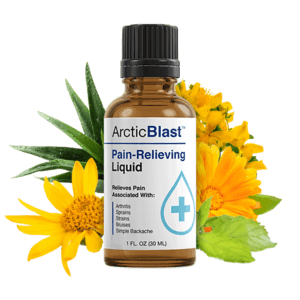
A few drops on the skin give a strong cooling feeling for quick, temporary comfort after standing or walking. Its labeled active ingredients, menthol and camphor, are commonly used for the temporary relief of minor muscle and joint aches.
Labeled active ingredients: Menthol and Camphor (plus DMSO and Aloe Vera)
Check Arctic Blast PriceHow do you use cooling drops safely?
- Test on a small patch of skin first.
- Use only on unbroken skin and keep away from eyes and mouth.
- Don't combine with a heating pad or a tight bandage over the area.
- Pregnant, on blood thinners or have sensitive skin? Ask your pharmacist first.
- Topical products ease surface aches; they don't treat the cause. Stop if your skin turns red, itchy or sore.
Living With SI Joint Pain: What Nobody Tells You
If you've ever felt a sharp catch low in your back when climbing stairs or rolling over in bed, you know how unpredictable SI joint pain can be. It's also hard to diagnose, so many people go a long time without a clear answer.
Why does SI joint pain leave you so drained and irritable?
The pain often comes and goes, which makes it hard to plan around. Pain that lasts keeps your nervous system on alert, sleep suffers, and worry can make the pain feel louder. The American Psychiatric Association describes this two-way link between long-lasting pain, sleep, stress and mood.
Your next step: two short breaks a day for slow breathing (in for 4, out for 6), and plan your day in small chunks with rests before the pain forces you to stop. If worry or low mood are taking over, see the support section below.
How do you sleep with SI joint pain?
Side sleeping with a firm pillow between your knees keeps the pelvis level and stops the top leg pulling on the joint. On your back, a pillow under the knees helps (Cleveland Clinic).
Your next step: roll over with your knees together, and get up by rolling to your side first.
Can you keep working with SI joint pain?
Most people can. Long sitting with weight on one side, standing on one leg and twisting while lifting are the common triggers.
Your next step: sit evenly on both buttocks, stand with weight on both feet, and ask for adjustments under the Americans with Disabilities Act if needed.
What if your doctor says it's nothing?
Many people with SI joint pain feel brushed off, especially when scans look "normal". A short visit makes it hard to show what you live with every day, so coming prepared helps. The National Institute on Aging recommends writing your concerns down, most important first.
Your next step: keep a one-week diary (where exactly it hurts, what triggers it (stairs, rolling over, sitting) and how long it lasts). Bring it and ask: "What do you think is causing this?", "What should I try if it isn't better in six weeks?" and "Would a physical therapist help?" A second opinion is always okay.
How do you explain SI joint pain to people who don't get it?
SI joint pain is mostly invisible, so people may not see why you have to stop mid-stride or avoid certain seats. Feeling misunderstood is one of the hardest parts of living with pain.
Your next step: use one simple sentence, such as "The joint between my spine and pelvis is irritated, so some movements catch suddenly", and then ask for one specific kind of help.
Why has nobody taught you how to manage SI joint pain?
Most people are never shown how to manage pain themselves: how to stabilize the pelvis with exercise and avoid the moves that set it off. Yet these everyday skills are what help most over time, and talking therapies such as CBT are among the best-studied ways to cope with long-lasting pain (Harvard Health).
Your next step: start with the moves and habits on this page, and use The Pain-Free Body Protocol above if you want a step-by-step plan.
Support for the Stress, Worry and Poor Sleep That Come With Pain

Pain that lasts for weeks or months rarely stays in the body. It often brings stress, low mood, worry and broken sleep, and those can make the pain feel louder. That’s why the American College of Physicians lists cognitive behavioral therapy (CBT) among the first treatments to try for long-lasting back pain: it helps you change how you respond to pain, even while it’s still there.
Online-Therapy.com is a CBT-based online therapy service you use from home. You're matched with a qualified therapist and get weekly live sessions by video, voice or text, unlimited messaging, practical worksheets, plus yoga and meditation videos. You can change therapist or cancel anytime.
Get 20% off your first month with the code THERAPY20
Affiliate link: we may earn a commission, at no extra cost to you.
Common Questions About SI Joint Pain
Where is SI joint pain felt?
Usually low in the back on one side, just above the buttock, sometimes spreading into the buttock, groin or back of the thigh.
What makes SI joint pain worse?
Standing on one leg, climbing stairs, getting out of a car, rolling over in bed and standing for a long time often make it worse.
When should I see a doctor?
Call your local emergency number or go to the emergency room if back or leg pain comes with numbness around your genitals or bottom, trouble peeing or controlling your bladder or bowels, or weakness or numbness in both legs that is severe or getting worse. See a doctor if the pain isn't improving after a few weeks, is getting worse, or you also feel unwell or have a fever.
Sources: Mayo Clinic: Sacroiliitis (SI joint pain) · Mayo Clinic: Back pain
What is sacroiliac joint dysfunction?
It means the SI joint moves too much or too little, causing pain low in the back and buttock, sometimes down the thigh. It is a common cause of lower back pain, found in roughly one in four adults with long-lasting lower back pain (American Family Physician).
What is sacrum pain?
The sacrum is the triangle-shaped bone at the base of the spine that joins the pelvis at the SI joints. Sacrum pain is often SI joint pain, but it can also come from the lower back or, rarely, a stress fracture.
Free 7-day guide
The 7-Day Gentle Back Reset
One simple 15-minute step a day to ease lower back pain at home: gentle moves with pictures, a walking plan, calming breathing and a printable tracker.
Get the Free GuideRelated guides
Sources
- Sacroiliac Joint Dysfunction: Diagnosis and Treatment. American Family Physician, 2022.
- Sacroiliitis. Cleveland Clinic.
- Best Sleeping Positions for Pain. Cleveland Clinic.
- Chronic Pain and Mental Health Often Interconnected. American Psychiatric Association.
- The pain-anxiety-depression connection. Harvard Health Publishing.
- How to Prepare for a Doctor's Appointment. National Institute on Aging.
- Reasonable Accommodation Under the ADA. U.S. Equal Employment Opportunity Commission.
Written by Silvio Paiva, Psychology Graduate (Universidade Lusíada do Porto) and PhD Candidate (Universidad de Santiago de Compostela) · Last updated November 2026 · About this site