
Rotator Cuff Pain: Injury, Tendinitis, Tears and Exercises
Rotator cuff problems cause pain at the front or side of the shoulder, especially when lifting your arm or lying on it at night. Most improve without surgery.
What helps rotator cuff pain?
The rotator cuff is the group of tendons that keeps the ball of the shoulder centered in the socket. Most rotator cuff pain comes from irritated tendons (tendinitis) or wear-and-tear tears, and most people improve with rest from overhead reaching, ice or heat, and a physical therapy exercise program (AAOS).
How do you ease rotator cuff pain right now?
Rest the shoulder from the movements that pinch the tendons, without letting it stiffen.
- Keep reaching below shoulder height for a week or two.
- Ice for 15 minutes after activity, or heat if it feels stiff.
- At night, lie on your back or the other side, hugging a pillow to support the sore arm.
- Pendulum swings: lean on a table and let the arm hang and swing in small circles for a minute.
When to See a Doctor Right Away
- Sudden weakness after a fall or a heavy lift, so you cannot raise your arm
- A shoulder that looks out of place
- Numbness or tingling down the arm
- Severe pain with redness, warmth or fever
For sudden, severe symptoms, call your local emergency number.
The Complete Home Plan
The Pain-Free Body Protocol
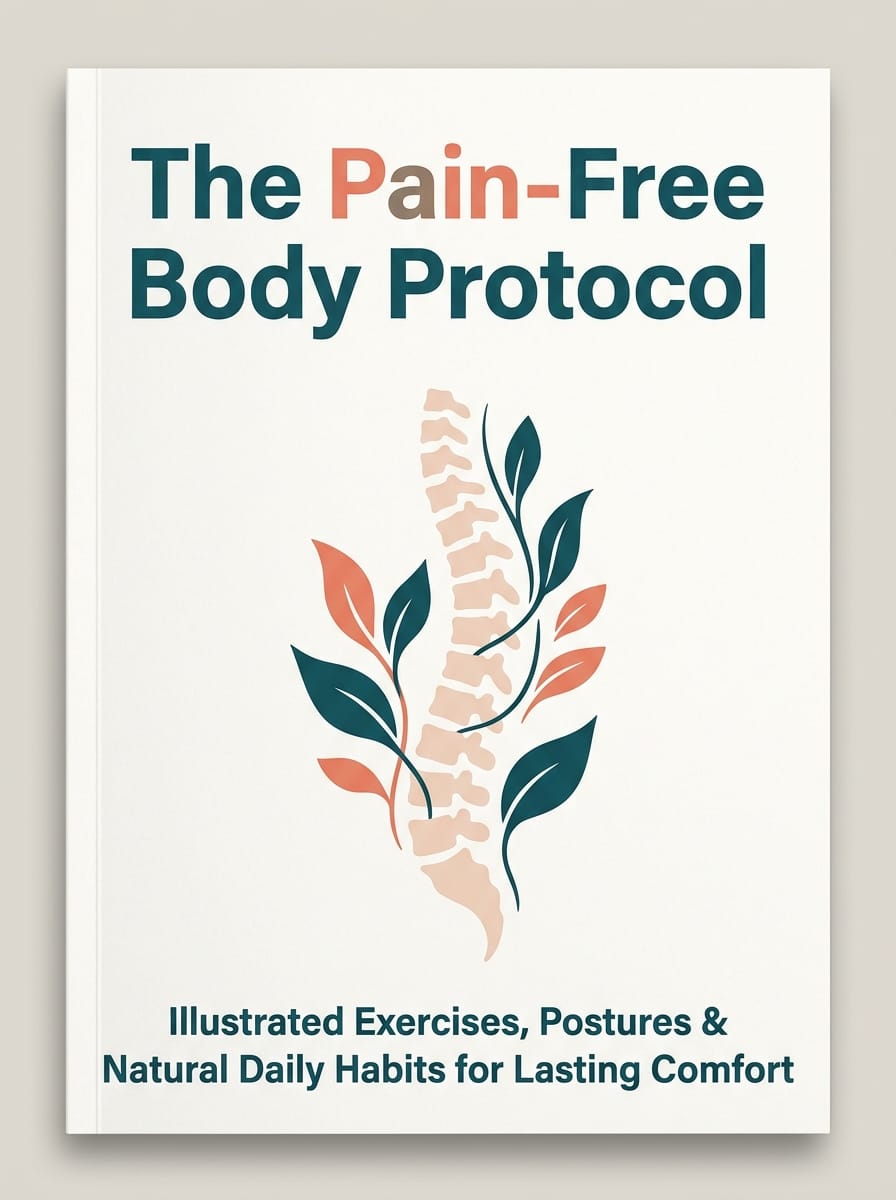
Want the whole routine in one place? A gentle daily routine for neck and shoulder pain, with sleep positions, in one illustrated guide.
Large print · step-by-step illustrations · 10–15 minutes a day
Get the Pain-Free Body ProtocolE-book · US $17.99 · instant download
Step 1: The Best Rotator Cuff Exercises
Start gently. Mild effort is fine; sharp pain means stop. A physical therapist can tailor the program.
Pendulum
Lean on a table, let the sore arm hang and swing gently in small circles. 1 minute, 2 to 3 times a day.
Wall walks
Face a wall and walk your fingers up as high as is comfortable, then slowly down. 10 times.
Shoulder blade squeezes
Gently squeeze your shoulder blades together, hold 5 seconds. 10 times.
Band external rotation
Elbow at your side bent to 90 degrees, rotate the forearm outward against a light band. 2 sets of 10, once pain allows.
Daily Habits That Help
- Move things you use often to shelves at chest height.
- Carry bags close to your body or in a backpack.
- Keep your keyboard and mouse close so your arm is not reaching.
- Sit tall: slouching narrows the space the tendons glide through.
- Keep doing the exercises for a few weeks after the pain is gone.
Step 2: Tools That Can Help
These can ease tight shoulder and upper-back muscles and give quick comfort. They support the exercises above; they do not replace them.
LifeVibe VAT Glow Prime Handheld Massager

When the rotator cuff is sore, the muscles around the shoulder and upper back often tighten to protect it. Gentle massage there, not on the painful tendon, can help you move more easily.
The LifeVibe VAT Glow Prime is a small handheld massager that uses soft, low-frequency sonic vibration rather than strong pounding, so it is gentle on sore shoulders.
Key features: 3 massage modes, 3 intensity levels, interchangeable massage heads; also for the scalp and face
Affiliate link: we may earn a commission, at no extra cost to you.
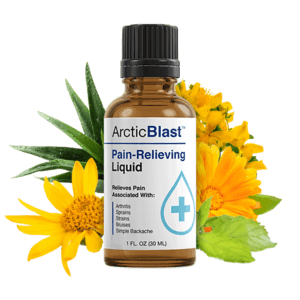
A few drops on the skin give a strong cooling feeling for quick, temporary comfort after gardening, housework or long hours sitting. Its labeled active ingredients, menthol and camphor, are commonly used for the temporary relief of minor muscle and joint aches.
Labeled active ingredients: Menthol and Camphor (plus DMSO and Aloe Vera)
Check Arctic Blast PriceSafety Tips
- Avoid overhead lifting and sudden pulls until your doctor or physical therapist says it is safe.
- Do not push into sharp pain during exercises.
- If you suddenly cannot lift your arm after an injury, see a doctor soon: some tears do better with early repair.
Living With Rotator Cuff Pain: What Nobody Tells You
Rotator cuff pain shows up in small moments: reaching for a seat belt, putting on a coat, rolling over in bed. Over weeks, that adds up.
"I wake up every time I roll over."
Night pain is one of the most common and draining parts of rotator cuff problems.
Your next step: sleep on your back or the other side with a pillow supporting the sore arm; see our sleep guide.
"I'm afraid I'll need surgery."
Many rotator cuff tears, especially wear-and-tear ones, improve with physical therapy alone (AAOS).
Your next step: ask your doctor whether your tear is the kind that does well with therapy first.
"I can't do my job or hobbies the same way."
Painters, builders, swimmers and anyone who reaches overhead feel this most.
Your next step: ask for temporary changes at work, and switch hobbies to ones that keep the arm low for now.
Frequently Asked Questions
How do I know if my rotator cuff is torn?
A tear often causes weakness when lifting or rotating the arm, pain at night, and a crackling feeling. Tendinitis causes pain but usually less weakness. A doctor can tell with an exam and sometimes an MRI or ultrasound.
What is rotator cuff tendinitis?
Irritation of the rotator cuff tendons, often from overhead activity, causing pain at the front or side of the shoulder (AAOS).
How long does a rotator cuff injury take to heal?
Tendinitis often improves within a few weeks to a few months with rest and exercise. Tears that need surgery take several months of rehabilitation.
Are rotator cuff exercises safe with a tear?
Gentle, guided exercises are the main treatment for many tears. Ask a physical therapist to tailor them to your shoulder.
Support for the Stress, Worry and Poor Sleep That Come With Pain

Pain that lasts for weeks or months rarely stays in the body. It often brings stress, low mood, worry and broken sleep, and those can make the pain feel louder. That’s why the American College of Physicians lists cognitive behavioral therapy (CBT) among the first treatments to try for long-lasting back pain: it helps you change how you respond to pain, even while it’s still there.
Online-Therapy.com is a CBT-based online therapy service you use from home. You're matched with a qualified therapist and get weekly live sessions by video, voice or text, unlimited messaging, practical worksheets, plus yoga and meditation videos. You can change therapist or cancel anytime.
Get 20% off your first month with the code THERAPY20
Affiliate link: we may earn a commission, at no extra cost to you.
Sources
This guide is general education based on these sources. It is not medical advice.
- Rotator Cuff Tears, OrthoInfo, American Academy of Orthopaedic Surgeons
- Shoulder Impingement/Rotator Cuff Tendinitis, OrthoInfo, American Academy of Orthopaedic Surgeons
- Best Sleeping Positions for Pain, Cleveland Clinic
Written by Silvio Paiva, Psychology Graduate (Universidade Lusíada do Porto) and PhD Candidate (Universidad de Santiago de Compostela) · Last updated November 2026 · About this site